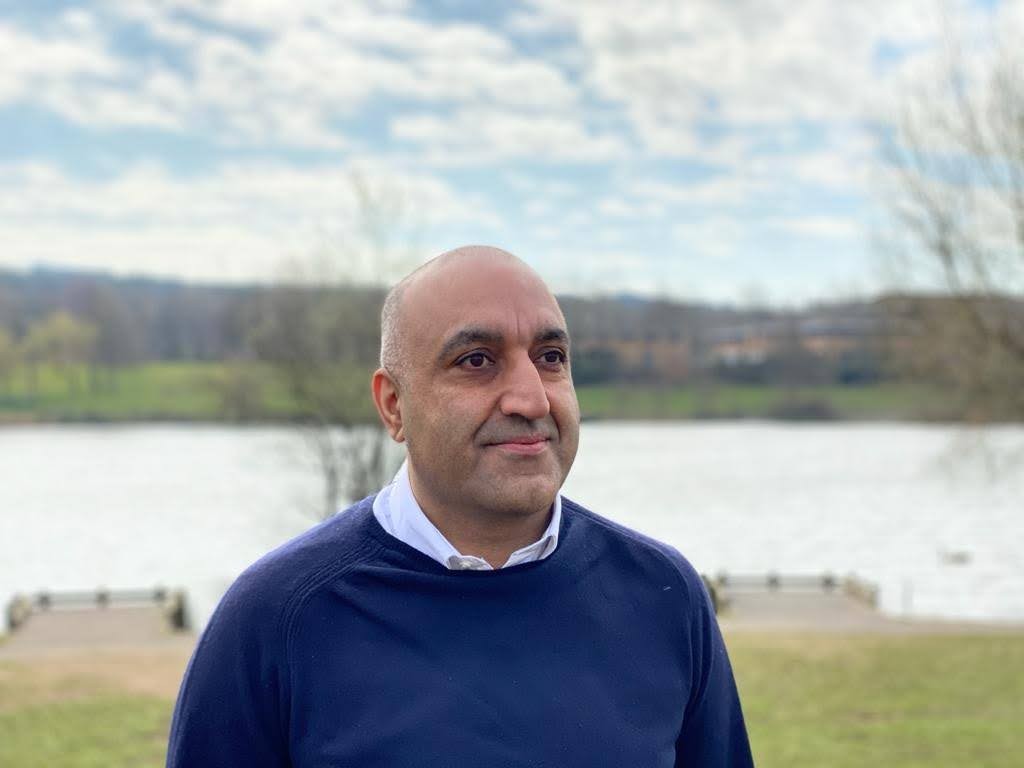
From adversity
to advocacy.
I grew up with a violent, abusive father. The blueprint I was handed — for what a man is, what a home is, what love is — was fear. At seventeen I left, and I was homeless — sleeping in a tent in a park in South Wales. I fell through the system with no safety net, and was taken in by an elderly couple. Informal care, though no one called it that. I was, in every way that mattered, one of the children Sanctuary now exists to help.
Everything after that, I had to teach myself.
How to process trauma instead of passing it on. How to handle money, starting from nothing. How to be a husband and a father who is the opposite of what was modelled to me. How to build a whole life from scratch. There was no one to show me — so I learned it the hard way, alone, over thirty years.
I trained in jujitsu to master my own strength rather than inflict it. I gave thirty years to charity — the Samaritans, Crisis shelters every Christmas, chairing Journeyman UK, founding a support group that still runs today. I spent twenty years as a management consultant and twenty as a landlord. And I built a family that is safe — the achievement I am proudest of.
My son is neurodiverse. Watching the system fail him — and fighting for the right support — showed me, up close, what the right environment does for a child. My wife, a physiotherapist of 22 years, has brought clinical insight and unwavering support that have shaped Sanctuary from the beginning.
Sanctuary is where all of it converges.
It is not a pivot. It is an arrival.
That arrival has two expressions. Sanctuary Homes will deliver therapeutic care directly — beginning with Milton Keynes, currently in development — providing the environment and the programme for children who need it most. Sanctuary Infrastructure serves established operators: consented Class C2 properties, planned and refurbished, leased on long-term fixed agreements so operators can focus entirely on the care. One model puts us in the room. The other makes sure the room exists for those who are already doing the work.
I am not here to extract from this sector, and I am not passing through it. Two strangers once did the unglamorous, generous thing for a homeless seventeen-year-old who could give them nothing back.
I intend to keep doing it for as long as I am able.
Anyone who works with me is not betting on a developer who discovered care homes were a yield. They are working with someone who was that child.